Introducing IP Buddy: Your AI-Powered Guide to Intellectual Property
(NewsUSA) - The Intellectual Property Owners Education Foundation (IPOEF) launched IP Buddy (IPBuddy.ai) today, a first-of-its-kind AI-powered digital assistant designed to make understanding intellectual property (IP) more approachable, engaging, and accessible. Every day, we are surrounded by IP and therefore, IP Buddy is for everyone. From first-time inventors and growing startups to people who are simply curious about how IP works, IP Buddy (IPBuddy.ai) is here to guide users through patents, trademarks, copyrights, and trade secrets with clarity and confidence.
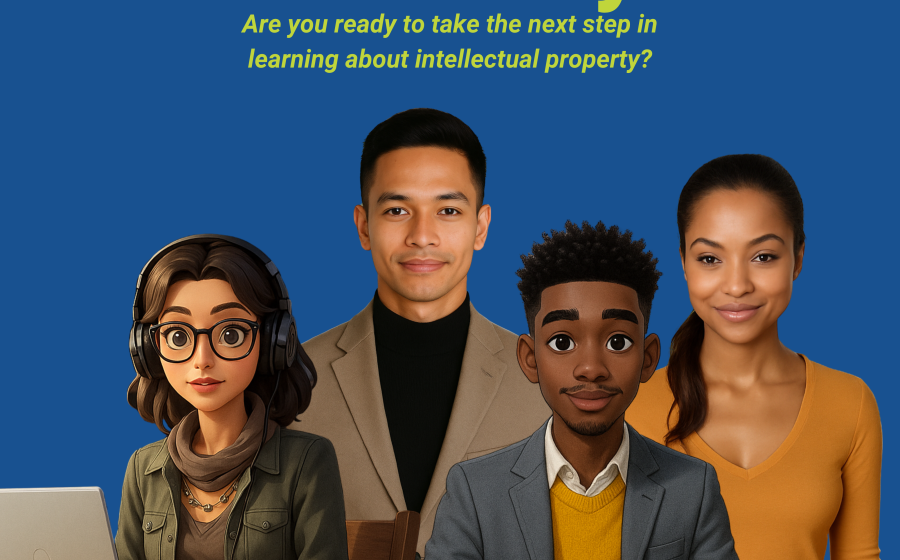
Built using a state-of-the-art language model similar to ChatGPT, IP Buddy is enhanced with specialized documentation and Retrieval-Augmented Generation (RAG) in order to deliver reliable, real-time answers tailored to your questions. IP Buddy users can choose their “buddy” from lifelike and cartoon AI-generated avatars that offer both audio and video responses for a more natural and engaging user experience. While not a substitute for professional legal advice, IP Buddy simplifies complex legal and technical IP concepts, making them easier to understand.
“IP Buddy represents a bold step in expanding opportunities for engagement with the intellectual property system,” said Kristen Lurye, deputy executive director for IPOEF. “By breaking down barriers to information, we empower more creators, inventors, and entrepreneurs of all ages to protect and grow their ideas.”
The launch of IP Buddy comes at a time when the strength of the U.S. innovation ecosystem is more important than ever. The U.S. intellectual property system supports this innovation, drives economic prosperity, and protects the ideas that shape our future. A stable and predictable intellectual property system is critical for incentivizing investment, fostering partnerships and delivering real-world solutions to global challenges. Yet a survey from the United States Intellectual Property Alliance reports that 70% of Americans struggle to differentiate between patents, trademarks, copyright, and trade secrets – the key pillars of the U.S. intellectual property system.
“Without strong IP protection, the breakthroughs we rely on—from life-saving healthcare technologies to the devices that power our daily lives—simply wouldn’t happen,” said Henry Hadad, president of the IPOEF board. “IP Buddy is here to help people understand and engage with this vital system.”
Visit IPBuddy.ai to explore IP Buddy and take your first step toward understanding and protecting your ideas.
About IPO Education Foundation:
As a subsidiary of the Intellectual Property Owners Association, the Intellectual Property Owners Education Foundation is a non-profit organization devoted to educational and charitable activities designed to teach and promote and understanding for the value of intellectual property rights and encourage innovation. To learn more visit www.ipoef.org.
 - The AI+ Expo, taking place on June 2-4 in Washington, D.C., seeks to spark discussions of ideas and initiatives related to the intersection of AI, emerging technology, and national security.
 - The United States was once the global leader in science and technology, but now other countries, notably China, are catching up, in part by leveraging data through artificial intelligence, according to experts at the Special Competitive Studies Project (SCSP), a nonprofit and nonpartisan initiative with a goal of making recommendations to strengthen America's long-term competitiveness in AI.
 - The development of technical standards is an often overlooked, but is an essential element in global technology leadership. The United States must be proactive to develop these standards, in addition to technology research and innovation, to stay ahead of our top competitor, China, according to Ananmay Agarwal, an expert at the Special Competitive Studies Project (SCSP), a nonprofit and nonpartisan initiative with a goal of making recommendations to strengthen America's long-term competitiveness in AI.