
Teaming Up with India on AI Issues
(NewsUSA) - The United States and India sit front and center in the global emerging technology competition, and a recent meeting have sparked promising collaboration.
As part of the AI+ Expo in Washington, DC, the Special Competitive Studies Project (SCSP) and the Observer Research Foundation America (ORF America) hosted the launch of the U.S.-India AI & Technology Cooperation Dialogue. Both SCSP and ORF America are non-partisan, non-profit organizations.
In the face of increasing global risk from China, partnership between the United States and India in AI development and deployment will impact the balance of economic and strategic power across the Indo-Pacific.
During the Dialogue meeting, U.S. and Indian officials and industry representatives discussed four key elements:
- Applications. AI use case deployments refer to the integration of AI models into real-world solutions such as fraud detection, automating business processes, and personalizing customer experiences. Expanding AI use case deployment in both civilian and military domains will benefit both countries, and partnering with India on deployment of AI applications can meaningfully strengthen both countries’ economic and strategic positioning in third countries, according to SCSP experts.
- Infrastructure. Increasing partnership with India includes securing the building blocks that power AI technologies. India’s demand for data centers, energy resilience, and trusted computing is creating opportunities for American companies to establish computing infrastructure before other competitors. Joint infrastructure gives India the backbone needed for its national AI deployment, and the United States gains a large, strategically-located partner capable of supporting redundant, secure infrastructure routes in the Indo-Pacific.
- Talent. Establishing education to employment pipelines is essential for long-term innovation success. India boasts an enormous pool of young and ambitious engineers, data scientists, and entrepreneurs with the desire to build solutions for global markets. However, both the United States and India need to look beyond elite institutions and tap into broader university systems to provide practical technical training, along with clear pathways to AI and technology careers.
- Policy and AI Governance. A key feature of the U.S./India dialogue meeting was the consensus that AI governance should be based on enabling innovation, rather than prescribing frameworks for development that might suffocate the fast-moving ecosystems of AI development.
“While the United States is exploring deregulation across several technology domains, India has articulated a “light regulation” approach focused on enabling and not constraining startups,” according to the SCSP team.
Both countries highlighted risks of cyber incidents, weak data-quality controls, and unclear cross-border standards impeding AI deployment at scale. Looking ahead, the United States and India can set the tone for a trusted and flexible framework.
Visit scsp.ai to learn more about the SCSP activities and initiatives to strengthen America’s long-term competitiveness in AI.

 - Until now, one of the most widely used Internet of Things (IoT) networks has operated quietly behind the scenes, powering smart cities, tracking shipments, and protecting public spaces. For years, it has connected the world around us and now, the same technology that powers smart cities is starting to enter your home.
 - As autonomous vehicles (AV) continue to evolve, consumers may be on the cusp of a new age of autonomous mobility, according to experts at the Special Competitive Studies Project (SCSP), a nonprofit and nonpartisan initiative with a goal of making recommendations to strengthen America's long-term competitiveness in AI.
 - Obscure lawsuits don’t just hurt corporations—they can hit consumers’ wallets and limit their choices.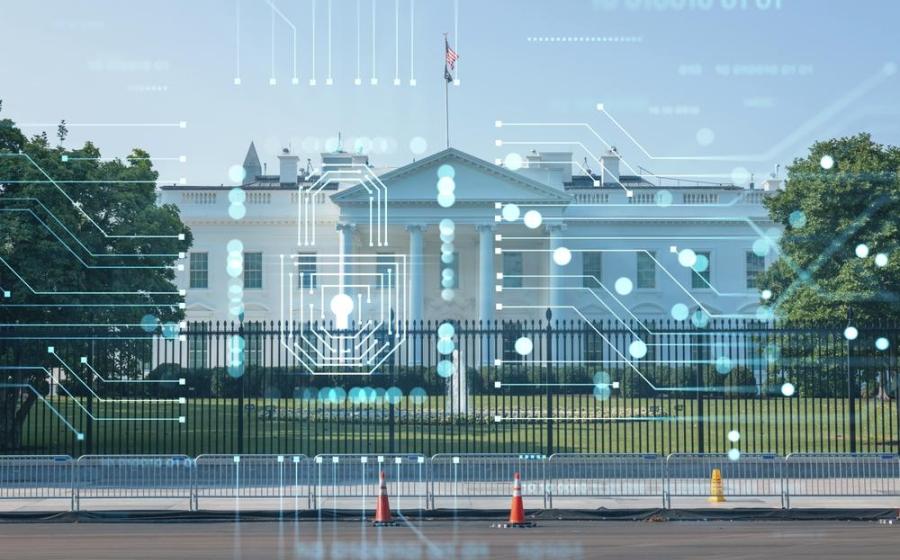
 - The federal government’s release of America’s AI Action Plan marks the most consequential artificial intelligence policy development of the current administration to date, according to experts at the Special Competitive Studies Project (SCSP), a nonprofit and nonpartisan initiative with a goal of making recommendations to strengthen America's long-term competitiveness in AI.
 - Commercial auto insurance and fleet safety are meeting the demands of modern-day risk management by analyzing telematics, but more work is needed to optimize this information and put it into action in the industry, according to results of a new report from SambaSafety, the leading provider of cloud-based driver risk management solutions.
 - From safer football helmets to groundbreaking laws that protect inventors, this year’s Intellectual Property Owners Education Foundation (IPOEF) award winners prove that one idea, when protected, can change everything.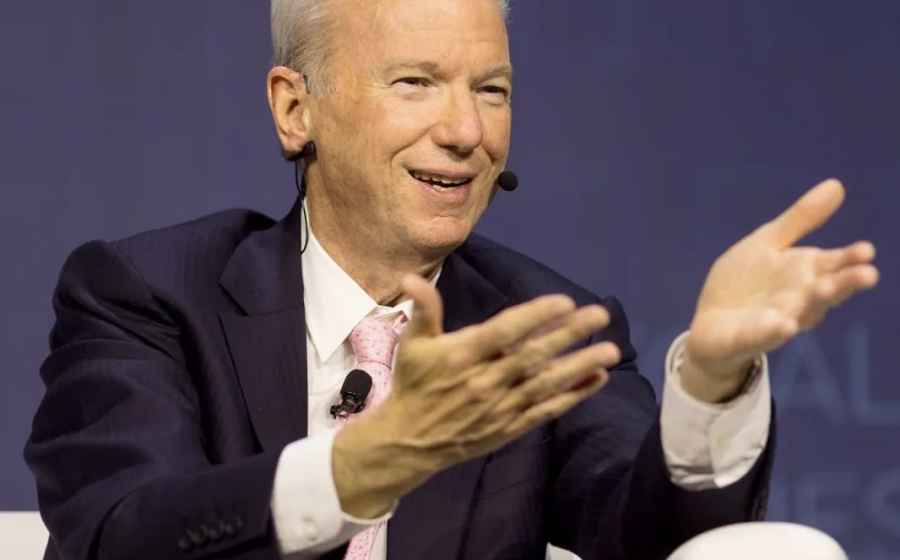
 - The evolution and impact of AI, especially with respect to national security, is poorly understood, but the explosion of knowledge is unprecedented, according to Dr. Eric Schmidt, chair of the Special Competitive Studies Project (SCSP).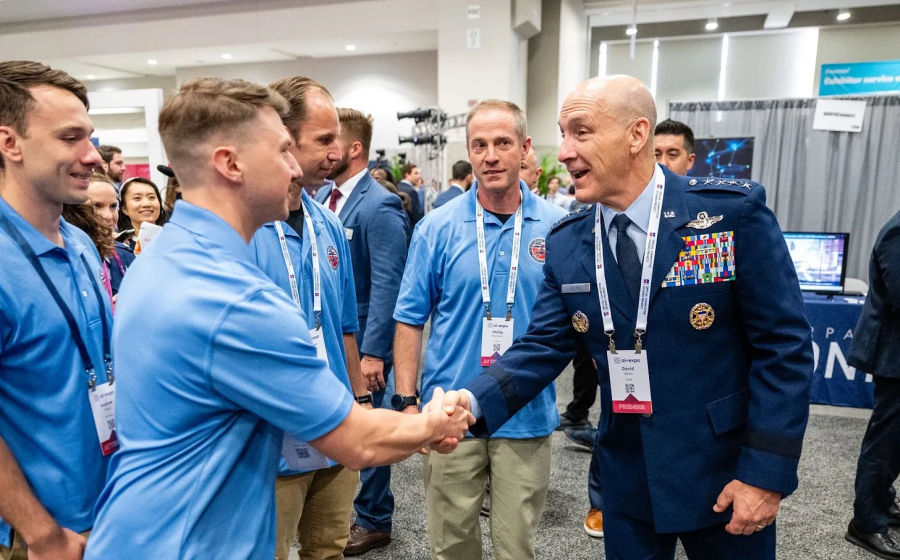
 - The second AI+ Expo took place in Washington, D.C., from June 2-4, 2025, and served as a stark reminder of the lightning pace of AI development, according to Ylli Bajraktari, president of the Special Competitive Studies Project (SCSP).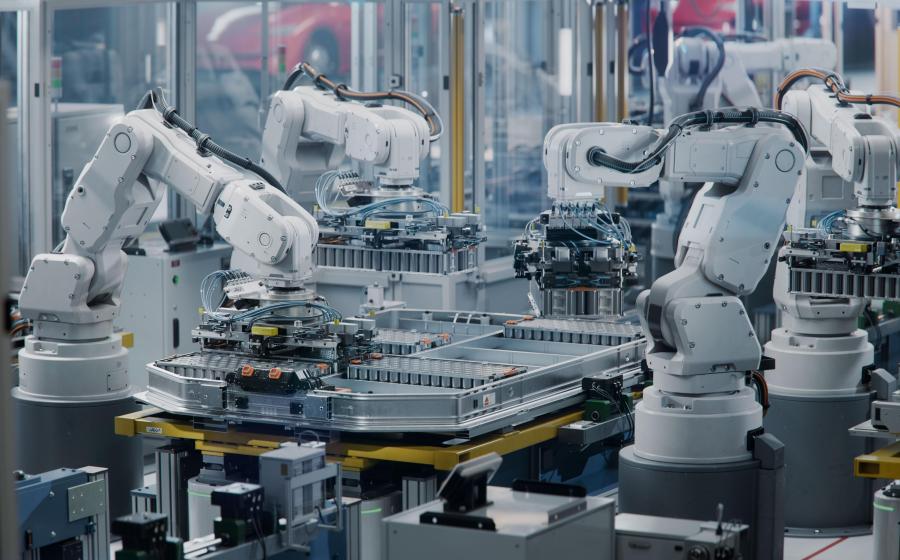
 - Robotics and hard‑tech transformation are reshaping the business landscape at an extraordinary pace. What was once confined to research labs and science fiction is now redefining entire industries — from intelligent machines on the factory floor to cyber‑physical systems driving smarter decision‑making in the boardroom. The global industrial robotics market was valued at US $87.1 billion in 2024 and is projected to reach
 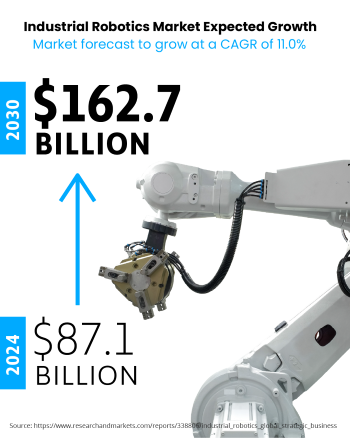 No matter how advanced the systems become, human judgment remains irreplaceable. Business isn’t a formula — it’s a dynamic mix of tradeoffs, nuance, and lived experience. Real success still depends on knowing when to question the model, when to course-correct, and when to trust instinct.