BookTrib’s Bites: The Courage to Begin ― and Begin Again
(BookTrib) -
- 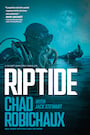 “Riptide” by Chad Robichaux with Jack Stewart
Still haunted by his former teammate’s betrayal, former Force Recon Marine Foster Quinn is thrust back into the world he thought he left behind. As he hunts down the men pulling the strings of a global conspiracy, Foster must resist the temptation to be swept away by revenge in his search for justice ― especially when the war becomes personal, and he realizes it’s coming to his own turf.
Written by two Armed Forces veterans who bring real-world expertise to their writing, “Riptide” is an exhilarating, ripped-from-the-headlines thriller that blurs the line between duty and revenge ― and leaves no one above suspicion.
“Riptide” is hailed as an “action-paced conspiracy thriller that brims with authenticity” (Mark Greaney) and praised for “its unmatched realism and tactical authenticity” (Nick Freitas).
Purchase at https://amzn.to/4rHt5QJ.
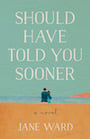 “Should Have Told You Sooner” by Jane Ward
While studying art history in London, Noel Enfield falls deeply for aspiring artist Bryn Jones. Their future seems set — until Bryn leaves for a five-month painting trip through Italy, Noel discovers she is pregnant, and a series of painful misunderstandings leads her to make a life-altering decision.
Thirty years later, Noel returns to London for a museum secondment, determined to prove she has moved on. Instead, she is drawn back into the city’s close-knit art world and the unresolved past she thought she had buried. When she finally learns why Bryn never came back, everything she believed about her choices, her family and her own resilience is shaken.
Praised by Kirkus Reviews as an “artful and affecting novel of loss and reconnection,” “Should Have Told You Sooner” is a moving story of romance, regret and second chances.
For more information and to purchase, visit https://www.janeaward.com/.
 “The Heart of Gardening: How to Have a Successful Life Through Sustainable Gardening from a Storyteller’s Perspective” by Rebecca Band
So many people dream about having a garden but hesitate to take that first step. Knowing where to begin can feel overwhelming. That’s why organic gardener and horticultural professional Rebecca Band created “The Heart of Gardening,” a simple, gentle guide to help new gardeners find their footing and discover success without relying on chemicals.
Along the way, Band shares personal stories, the reasons behind her methods, and the observations she’s gathered from years of experience. “My hope is that this book will not only offer practical guidance,” writes the author, “but also uplift, entertain, inspire and spark thoughtful reflection for anyone ready to begin their gardening journey.”
Purchase at https://amzn.to/4v123pF.
 “Lili y el árbol de los colores mágicos / Lili & the Tree of Magical Colors” by Rosalba Segovia
In this gentle bilingual picture book, Rosalba Segovia introduces readers to Lili, a kindhearted girl whose walk to school becomes an unexpected lesson in friendship, empathy and peace. Along the way, Lili meets a lost turtle, a frightened black cat and an injured iguana, each in need of comfort and help. Together, they follow a fragrant breeze toward a wondrous tree of magical colors — only to discover that the tree grows sad and gray when friends fight.
With soft illustrations and side-by-side Spanish and English storytelling, “Lili & the Tree of Magical Colors” invites young readers to see kindness as something active: listening, helping, forgiving and standing together. As Lili and her friends learn, differences do not have to divide us. When we reach for one another with love and respect, the world becomes brighter, more peaceful and more beautiful. Also available: an accompanying album of songs based on the book.
Purchase the book at https://amzn.to/4d5b2Qk and the accompanying music at https://amzn.to/4uzbwUO.

 - Better brain health doesn't have to be complicated, and you can start now. Achievable, practical steps can make a real difference at any age. It’s never too late, or too soon, to shape your brain health. Research from the Alzheimer's Association shows that everyday habits, including how you move, what you eat, and how you engage your mind, can help you live better now, protect your memory over time, and potentially help reduce your risk of dementia.
 - While spring break may be a welcome week off of school for children, for many families it’s a not-so-gentle reminder that summer is just around the corner and in most areas that means parents need to sort out activities and care for their children for multiple weeks, if not months. Before panicking about which camps still have spots open or worrying about how to balance short camp hours with long work days, families can explore all-inclusive summer day camps in their area, like the ones provided by
 -
- 
 - Nonprofit organizations have a new opportunity to leverage their data and optimize their profits, thanks to a new platform.
 - When faced with a skin cancer diagnosis, Americans are no longer passive recipients of care. A recent survey of patients confronting treatment decisions shows a clear shift toward empowered, informed decision-making, with cure rates, avoidance of surgery, and cosmetic outcomes topping the list of concerns – often outweighing even a doctor's recommendation.
 - The commercial auto industry is entering another year of sustained strain, as rising claims severity, persistent risky driving behaviors, and escalating litigation continue to push losses higher—even as fleets and insurers gain unprecedented access to data and technology.
 -
- 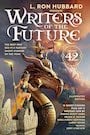 “L. Ron Hubbard Presents Writers of the Future Volume 42” edited by Jody Lynn Nye
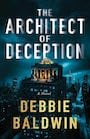 “The Architect of Deception” by Debbie Baldwin
 “What the Heart Carries” by Susan Appel
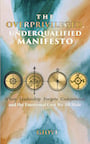 “The Overprivileged, Underqualified Manifesto: When Leadership Forgets Competence and the Emotional Cost We All Hide” by Giovi Zaro
 -
- 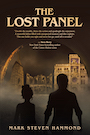 “The Lost Panel” by Mark Steven Hammond
 - Artificial intelligence is likely to have a greater impact on the military’s wartime operations than on peacetime tasks, according to a new report from the Special Competitive Studies Project (SCSP), a nonprofit and nonpartisan initiative with a goal of making recommendations to strengthen America's long-term competitiveness in AI.