Patients Take the Wheel: New Survey Reveals that Those with Common Skin Cancer Prioritize High Cure Rate, Nonsurgical, Cosmetically Pleasing Treatment Option
(NewsUSA) - When faced with a skin cancer diagnosis, Americans are no longer passive recipients of care. A recent survey of patients confronting treatment decisions shows a clear shift toward empowered, informed decision-making, with cure rates, avoidance of surgery, and cosmetic outcomes topping the list of concerns – often outweighing even a doctor's recommendation.
The numbers are striking. When asked to list their top three priorities, 87 percent of respondents said the cure rate was their foremost consideration. Close behind, 58 percent prioritized avoiding surgery if possible, while 47 percent emphasized cosmetic outcome. In contrast, fewer than one in five said their doctor's recommendation of surgery versus a nonsurgical treatment mattered most to them.
This marks a notable evolution in the doctor-patient dynamic. Patients are self-educating, often researching options online, and actively participating in, if not driving, their treatment choices.
The findings underscore the attraction of newer, noninvasive, Medicare-covered options and help to explain why patients every day are rejecting traditional Mohs surgery in favor of GentleCure® Image-Guided SRT. More and more dermatologists nationwide are offering this option, which involves the use of targeted low-dose radiation guided by real-time ultrasound imaging, and boasts a 99%+ cure rate for early-stage basal and squamous cell carcinomas.
Skeptics suggest that the need for three to four office visits a week for five to six weeks for Image-Guided SRT might deter patients, but the survey tells a different story: Only 18 percent cited convenience as a major factor, compared to the 58 percent who said they’re eager to avoid surgery.
The data poses a direct challenge to the dominance of Mohs surgery. When asked which they would prefer if two treatments offered similar cure rates, a resounding 70 percent chose a nonsurgical option. Only three percent favored surgery, while 26 percent said it would depend on the individual situation.
Patients overwhelmingly want choice. Ninety-six percent said having multiple treatment options available was very or extremely important, and they expressed concern that insurance changes could restrict access to doctor-recommended therapies. Even more emphatically, 97 percent believe patients and their doctors, not government agencies, insurers, professional organizations, or specialists, should decide which options are made available.
A nearly unanimous 99 percent agreed that “doctors and patients should have broad freedom to choose among appropriate treatment options supported by clinical evidence”. Similarly, 99 percent said that patients should have access to both surgical and nonsurgical options when medically appropriate.
These results signal a broader cultural shift in healthcare. Empowered patients value efficacy and quality of life, in this case, preserving appearance and avoiding the scalpel, while demanding autonomy in an era of abundant information. For dermatologists and the broader skin cancer care community, the message is clear: Offering genuine options, including proven noninvasive therapies like GentleCure Image-Guided SRT, isn't just patient-centered care; it's increasingly what informed patients expect and demand.
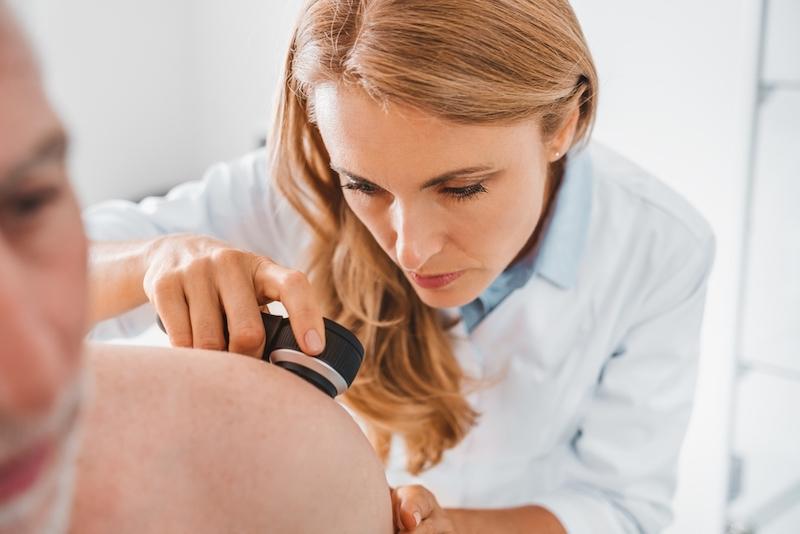
This month is national Skin Cancer Awareness Month, the perfect time to schedule your annual skin check-up and to remember to limit your sun exposure, use sunscreen daily, wear protective clothing, and avoid indoor tanning beds.
The survey was conducted by SkinCure Oncology. Information is available at GentleCure.com