

x

Health

World Brain Day: A time to (re)think what brain health really means

(NewsUSA) - July 22 is World Brain Day, a day that highlights the importance of overall brain health. It’s the perfect time to think differently about what caring for your brain can mean for you. While researchers continue to learn more about Alzheimer's disease and other dementias, one thing is becoming clear: healthy lifestyle choices can help support brain health over time.

That's the idea behind the Alzheimer's Association's new (re)think your brain initiative, which translates the latest brain health research into practical, everyday habits people can start today.

For too long, Alzheimer's disease and other dementias have been viewed as conditions to address only after symptoms appear. New science-based research is changing that understanding, showing how lifestyle choices play an important role in helping to support brain health over time. Everyday habits, including how you move, what you eat, how you sleep, how you engage your mind and more, may help protect memory and thinking and potentially reduce the risk of dementia.

While there is growing overall interest in brain health, many people still don't know how to begin caring for their brain. The Alzheimer's Association 2026 Alzheimer's Disease Facts and Figures report shows that nearly 9 in 10 people say brain health is important, but only 1 in 10 say they know how to maintain it.

The Alzheimer's Association developed (re)think your brain to help close that gap, making brain health science easier to understand and turn into meaningful action. Through its “6-Step Challenge,” the initiative encourages people to:

· (re)think your habits: Check your current habits and build a personalized brain health action plan.

· (re)think your day: Start with one habit and build from there by incorporating everyday changes into your routine.

· (re)think your movement: Get moving. Regular physical activity supports brain health and overall well-being.

· (re)think your diet: Eat right. Track what you eat and look for ways to improve your nutrition.

· (re)think your mind: Challenge your brain by learning something new.

· (re)think what's next: Monitor your health and invite a friend to take steps toward better brain health with you.

"The Alzheimer's Association is committed to translating the latest science into practical guidance people can understand and use right away to proactively care for their brain health," said Joanne Pike, DrPH, president and CEO of the Alzheimer's Association. “Through (re)think your brain, we're helping people take meaningful steps today to help support brain health for years to come."

This World Brain Day, take the opportunity to (re)think what brain health can really mean for you.

To begin building your own brain-healthy habits, visit www.rethinkyourbrain.org.

Uterine Fibroids Are Much More Common In Women of Color – Uterine Fibroid Embolization Can Help

(NewsUSA) - Uterine fibroids can make day-to-day living a challenge for many women. While fibroids are common, they are much more common in women of color. Up to 80% of Black women experience them by age 50. Yet many women are unaware of uterine fibroids and the range of treatment options to help them feel better and return to their daily lives.
Uterine fibroid embolization (UFE) is a non-surgical treatment performed by an interventional radiologist. A catheter is inserted through a tiny incision and guided using real-time medical imaging to the blood vessels supplying the fibroids. Small particles are injected to block blood flow to the fibroids, causing them to shrink over time. Compared to open surgical options, UFE typically results in less pain and a shorter recovery period.

“Before UFE, my entire life was planned around my fibroids — what I could wear, where I could go—all to manage the symptoms and pain I was experiencing,” said Kenya Green, a patient who has experienced fibroids for decades. “When I asked my OBGYN what my options were, I was told I could go on birth control or that I needed to have a hysterectomy.”

Uterine fibroids are not cancer. They are growths that develop in the uterus that can significantly impact menstrual health, causing heavy bleeding, bloating and severe pain. Women often suffer in silence, or think that surgery is their only option – it is not.

“I was in my early 30s and I was not ready for the changes hysterectomy would bring,” Green said. “I found out about uterine fibroid embolization from a friend who referred me to an interventional radiologist, who was able to help.”

“Fibroids are the number 1 reason why women undergo hysterectomy, which is unnecessary in the significant majority of cases and can be replaced with the much safer, less invasive, nonsurgical UFE procedure,” said John Lipman, MD, an interventional radiologist and founder and medical director of the Atlanta Fibroid Center. “Compared with surgery, UFE is much less invasive, less expensive, has a much shorter recovery time (days versus weeks or months), and is covered by all major insurance plans.”

Awareness and access to fibroid diagnosis and treatment are vital. Uterine fibroids are three times more common in Black women and twice as common in Hispanic women, but 36% of Black women and 22% of Hispanic women mistakenly believe they are not at risk of developing fibroids.

“It has been shown in multiple medical studies that most women suffering with fibroids do not hear about UFE as a treatment option from their doctor despite full endorsement from the American College of Obstetrics and Gynecologists (ACOG) back in 2008,” Lipman said. “Women are entitled to know all of their treatment options and not just the surgical ones. UFE is an absolute game changer for fibroid sufferers, but the biggest problem is that most patients are unaware of this outstanding procedure and need to obtain a second opinion from an interventional radiologist.”

After UFE, Green has experienced a marked improvement in her quality of life. “Since I had my UFE, I no longer have to plan my life and my wardrobe around my fibroid symptoms,” Green said. “I am pain free and living a life of abundance, enjoying time with friends and family without worry.”

As we recognize July as Uterine Fibroid Awareness month, all women deserve to know their uterine fibroids treatment options. For more information, visit the Radiology Health Equity Coalition Uterine Fibroid Resources page.

Bright News for Sensitive Teeth

(NewsUSA) - A whiter, brighter smile remains one of the most desirable dental improvements, but many consumers are concerned about commercial tooth-whitening products, especially those with sensitive teeth.


The high levels of peroxide in many commercial whitening systems are effective, but can cause or increase tooth and gum sensitivity. Peroxide penetrates tooth enamel to break down stains, but generates free radicals which can irritate the nerves inside the teeth, promoting sensitivity that lasts for days. In addition, improperly applied peroxide-based whitening products can irritate the soft tissue of the gums, causing redness, pain, or a burning sensation.

“Consumers are increasingly seeking whitening solutions that deliver cosmetic results without compromising oral comfort,” said Herb Moskowitz, DDS, Chairman of ioTech International. “People want effective whitening products that are gentle enough to support everyday oral wellness.”

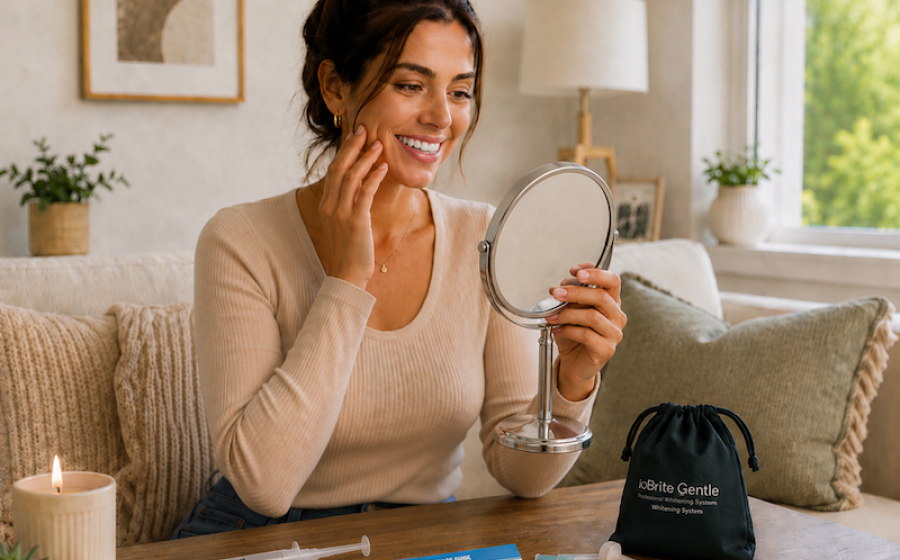
A new, gentle tooth-whitening gel, ioBrite GentleTM, was designed by a cosmetic dentist to provide professional strength whitening while removing the stubborn stains caused by coffee, wine, tea, soda, smoking, and age-related discoloration. Unlike many commercial bleaches, ioBrite Gentle improves the appearance of teeth without the irritation, for a zero-sensitivity tooth-whitening system that is gentle on tooth enamel and gums. Testing on over 80 dental professionals with sensitive teeth confirms the efficacy and lack of sensitivity, said Dr. Moskowitz.

The new ioBrite Gentle system kit contains enough gel product for up to 30 treatments. The gel can be used with custom dental trays or applied directly with the included applicator brush and cheek/lip retractors. The mint-flavored formula is enamel-safe, cruelty-free, gluten-free, and made in the U.S.A.

The ioBrite Gentle tooth whitening system reflects ioTech’s broader focus on gentle oral care formulations and overall oral wellness, and provides a dentist-strength teeth-whitening kit designed for people who want professional whitening results without sensitivity, that is easy to use at home and is only a fraction of the cost of dental office whitening.


1

Dr. Moskowitz notes that ioBrite Gentle is ideal for patients with sensitive teeth and is backed by a zero-sensitivity guarantee.

ioBrite Gentle is available directly through the company’s consumer store or from Amazon.com.

“Consumers should not have to choose between a whiter smile and oral comfort,” added Dr. Moskowitz. “The future of whitening lies in balancing cosmetic improvement with healthier, more comfortable oral care.”

Visit iotechinternational.com to learn more, and follow ioTech’s blog A Deeper Dive into Oral Health for more in-depth discussions on oral care. 

2


2026 Updated Dietary Guidance: 9 Heart-Healthy Steps for Better Eating

(NewsUSA) - Why Does Your Diet Matter for Heart Health?
What you eat plays a major role in your heart health. According to the American Heart Association, poor diet quality remains one of the leading contributors to cardiovascular disease and related health risks.

More than half of adults and about 60% of children in the United States have unhealthy diets. These eating patterns can contribute to high blood pressure, obesity, and other chronic health conditions. The good news is that healthy eating does not require perfection. Small, sustainable improvements can make a meaningful difference over time.

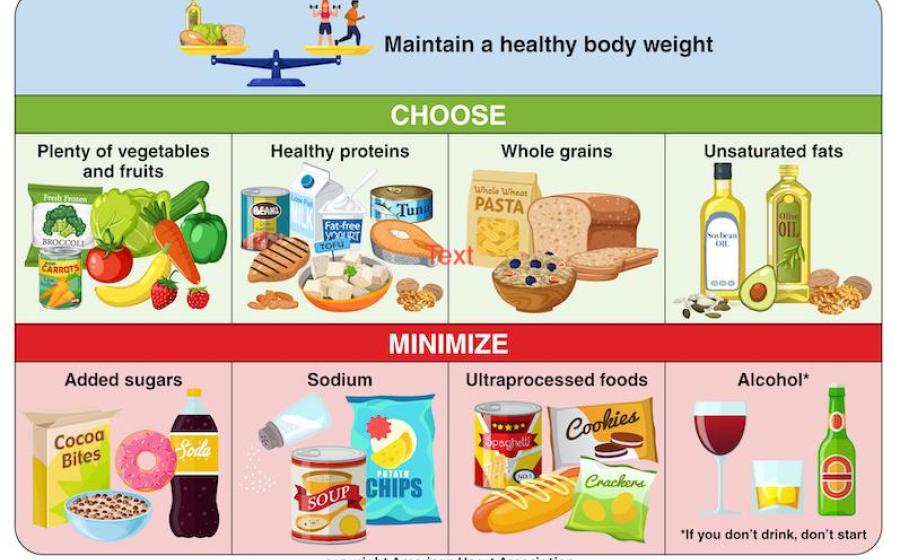
The American Heart Association's updated dietary guidance focuses on an overall healthy eating pattern rather than counting individual nutrients. The goal is to make heart-healthy choices easier, more practical, and sustainable throughout life.

What Are the 9 Steps for a Heart-Healthy Diet?

1. Maintain a Healthy Balance Between Food and Activity

Achieving and maintaining a healthy body weight starts with balancing energy intake and physical activity. Paying attention to portion sizes and staying active can help support long-term heart health.

2. Eat More Vegetables and Fruits

Fill your plate with a variety of vegetables and fruits every day. Different colors, textures, and types of produce provide a wide range of nutrients that support overall wellness.

Fresh options are excellent, but canned and frozen fruits and vegetables can also be nutritious, affordable, and convenient choices.

3. Choose Whole Grains More Often

Whole grains provide more nutritional value than refined grains.

Examples of whole-grain foods include:

  • Whole-wheat bread
  • Brown rice
  • Oatmeal
  • Whole-grain pasta

Choosing whole grains more often can support a healthier dietary pattern.

4. Prioritize Healthy Protein Sources

The American Heart Association recommends shifting toward plant-based protein sources whenever possible.

Healthy protein choices include:

  • Beans
  • Lentils
  • Peas
  • Nuts
  • Seeds

Fish and seafood are also encouraged as part of a heart-healthy eating pattern.

If you choose to eat red meat, select lean cuts, avoid processed varieties, and keep portions moderate.

5. Replace Saturated Fats with Unsaturated Fats

Not all fats are the same.

Heart-healthy unsaturated fats can be found in:

  • Nuts
  • Seeds
  • Avocados
  • Nontropical plant oils

Replacing foods high in saturated fat with these healthier fat sources can support cardiovascular health.

6. Choose Minimally Processed Foods

Whenever possible, select foods that are close to their natural state.

Minimally processed foods typically contain fewer added ingredients and may help reduce reliance on ultraprocessed products. Building meals around whole foods can make healthy eating easier and more satisfying.

7. Limit Added Sugars

Added sugars are commonly found in beverages, snacks, desserts, and packaged foods.

Reducing consumption of sugar-sweetened beverages and foods with added sugars can support heart health and help maintain a balanced diet.

8. Reduce Sodium Intake

Many people consume more sodium than they realize because it is often hidden in packaged and prepared foods.

To reduce sodium:

  • Read nutrition labels
  • Choose lower-sodium options
  • Cook more meals at home
  • Use herbs, spices, and lemon for flavor instead of salt

These simple adjustments can help support healthy blood pressure levels.

9. Be Mindful About Alcohol Consumption

If you do not drink alcohol, don’t start.

For those who choose to consume alcohol, moderation is important. Excessive alcohol intake may increase the risk of high blood pressure and other health concerns.

Why Is It Important to Start Healthy Habits Early?

Healthy eating patterns benefit people at every stage of life.

The American Heart Association recommends establishing healthy dietary habits early because they can influence long-term cardiovascular health. Children should begin following a heart-healthy eating pattern at age one.

Families also play a critical role. When adults consistently make healthy food choices, children are more likely to develop similar habits that can last into adulthood.

Creating a healthy home environment can help reduce reliance on highly processed foods while encouraging lifelong wellness.

Progress Matters More Than Perfection

One of the most important messages from the updated guidance is that healthy eating should be realistic and sustainable.

Rather than focusing on strict rules or individual nutrients, the American Heart Association encourages people to focus on their overall eating pattern and make gradual improvements over time.

Every healthier choice adds up. By incorporating more fruits, vegetables, whole grains, plant-based proteins, and minimally processed foods into your daily routine, you can take meaningful steps toward better heart health.

Learn More

For additional heart-healthy eating resources and practical guidance, visit:

www.heart.org/healthydiet

Six Steps to Better Brain Health

(NewsUSA) - Better brain health doesn't have to be complicated, and you can start now. Achievable, practical steps can make a real difference at any age. It’s never too late, or too soon, to shape your brain health. Research from the Alzheimer's Association shows that everyday habits, including how you move, what you eat, and how you engage your mind, can help you live better now, protect your memory over time, and potentially help reduce your risk of dementia.
For too long, Alzheimer’s disease and other dementias have been viewed as conditions to address only after symptoms appear. New research is changing that understanding. Findings from the July 2025 U.S. POINTER study demonstrate that lifestyle factors can play a meaningful role in supporting brain health and may help reduce the risk of dementia.

Still, there is a significant gap between awareness and action. While nearly 9 out of 10 people say brain health is important, only 1 in 10 say they know what to do to maintain it, according to the Alzheimer’s Association 2026 Alzheimer’s Disease Facts and Figures report.

To help close that gap, the Alzheimer’s Association is launching the (re)think your brain initiative, featuring a new “6-Step Challenge” designed to help people begin building everyday habits that support brain health. The (re)think your brain approach provides science-backed guidance people can use right away, translating complex research into practical, everyday actions that fit into daily life. It is designed to engage people earlier when there is greater opportunity to influence long-term brain health and possibly reduce dementia risk over time.

A simple guide to get you started:

1. (re)think your habits: Check your current habits and build a personalized brain health action plan.

2. (re)think your day: Start with one habit and build from there by incorporating everyday changes into your routine.

3. (re)think your movement: Get moving. Regular physical activity supports brain health and overall well-being.

4. (re)think your diet: Eat right. Track what you eat and look for practical ways to improve your nutrition.

5. (re)think your mind: Challenge your brain by learning something new.

6. (re)think what’s next: Continue the journey, monitor your health, and invite a friend to take steps toward better brain health with you.

"People are looking for clear, credible guidance they can trust," said Joanne Pike, DrPH, president and CEO of the Alzheimer's Association. "As a global leader in Alzheimer's and brain health, we have a responsibility to translate the latest science into guidance people can act on, and (re)think your brain is how we're helping people take control of their brain health." 

Find out more and get started today at https://www.rethinkyourbrain.org.

Patients Take the Wheel: New Survey Reveals that Those with Common Skin Cancer Prioritize High Cure Rate, Nonsurgical, Cosmetically Pleasing Treatment Option

(NewsUSA) - When faced with a skin cancer diagnosis, Americans are no longer passive recipients of care. A recent survey of patients confronting treatment decisions shows a clear shift toward empowered, informed decision-making, with cure rates, avoidance of surgery, and cosmetic outcomes topping the list of concerns – often outweighing even a doctor's recommendation.

The numbers are striking. When asked to list their top three priorities, 87 percent of respondents said the cure rate was their foremost consideration. Close behind, 58 percent prioritized avoiding surgery if possible, while 47 percent emphasized cosmetic outcome. In contrast, fewer than one in five said their doctor's recommendation of surgery versus a nonsurgical treatment mattered most to them.

This marks a notable evolution in the doctor-patient dynamic. Patients are self-educating, often researching options online, and actively participating in, if not driving, their treatment choices.  

The findings underscore the attraction of newer, noninvasive, Medicare-covered options and help to explain why patients every day are rejecting traditional Mohs surgery in favor of GentleCure® Image-Guided SRT.  More and more dermatologists nationwide are offering this option, which involves the use of targeted low-dose radiation guided by real-time ultrasound imaging, and boasts a 99%+ cure rate for early-stage basal and squamous cell carcinomas.

Skeptics suggest that the need for three to four office visits a week for five to six weeks for Image-Guided SRT might deter patients, but the survey tells a different story: Only 18 percent cited convenience as a major factor, compared to the 58 percent who said they’re eager to avoid surgery.

The data poses a direct challenge to the dominance of Mohs surgery. When asked which they would prefer if two treatments offered similar cure rates, a resounding 70 percent chose a nonsurgical option. Only three percent favored surgery, while 26 percent said it would depend on the individual situation.

Patients overwhelmingly want choice. Ninety-six percent said having multiple treatment options available was very or extremely important, and they expressed concern that insurance changes could restrict access to doctor-recommended therapies. Even more emphatically, 97 percent believe patients and their doctors, not government agencies, insurers, professional organizations, or specialists, should decide which options are made available.

A nearly unanimous 99 percent agreed that “doctors and patients should have broad freedom to choose among appropriate treatment options supported by clinical evidence”. Similarly, 99 percent said that patients should have access to both surgical and nonsurgical options when medically appropriate.

These results signal a broader cultural shift in healthcare. Empowered patients value efficacy and quality of life, in this case, preserving appearance and avoiding the scalpel, while demanding autonomy in an era of abundant information. For dermatologists and the broader skin cancer care community, the message is clear: Offering genuine options, including proven noninvasive therapies like GentleCure Image-Guided SRT, isn't just patient-centered care; it's increasingly what informed patients expect and demand.

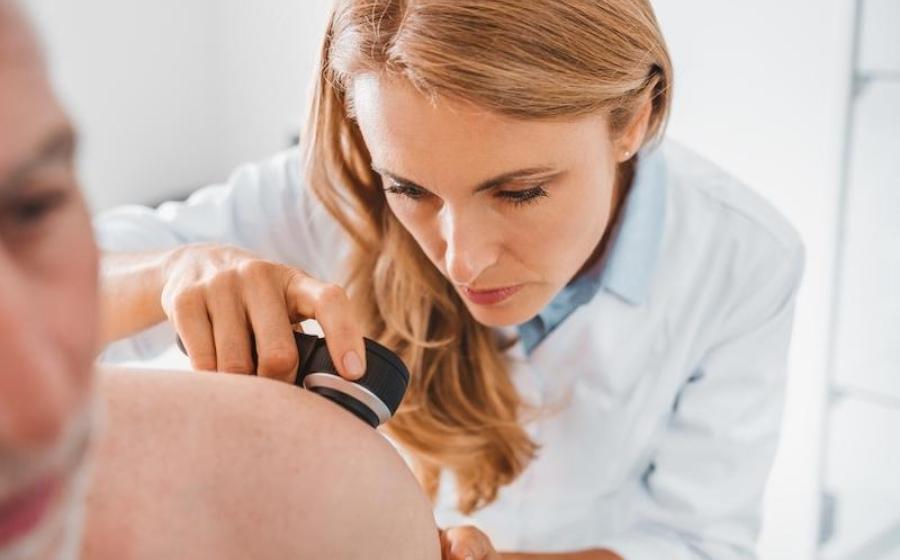
This month is national Skin Cancer Awareness Month, the perfect time to schedule your annual skin check-up and to remember to limit your sun exposure, use sunscreen daily, wear protective clothing, and avoid indoor tanning beds.

The survey was conducted by SkinCure Oncology. Information is available at GentleCure.com


Spreading the Word About Sun Safety

(Health In Hand Foundation) - As warm weather approaches, it’s time to spread the word about spreading sunscreen.

This season, a cross-industry campaign is promoting skin protection from the sun as a public health priority and emphasizes the value of sunscreen as an everyday essential for protecting your health and reducing your risk of skin cancer.

FDA-regulated sunscreens are proven to help prevent sunburn, premature skin aging, and skin cancer when used as directed, but according to The Skin Cancer Foundation, fewer than 14% of Americans report daily sunscreen use. The #WearSunscreen campaign aims to increase that percentage. By reaching consumers across industry, healthcare, and community channels, the campaign encourages people to protect their skin every day, regardless of season, weather, or skin tone.

The Personal Care Products Council (PCPC), the Consumer Healthcare Products Association (CHPA), and the Health In Hand Foundation, with help from the Melanoma Research Foundation and The Skin Cancer Foundation, are expanding the #WearSunscreen campaign through public service announcements across print, broadcast, and social media.

The campaign messages include testimonials from skin cancer survivors and other skin health advocates and influencers to raise awareness of the need for sun protection and encourage preventive behaviors nationwide.

“While melanoma is the deadliest form of skin cancer, the most common cancer in the U.S., over 90% of melanomas are considered preventable and when detected early, are highly treatable,” said James Merrick, Chief Communications and Marketing Officer, the Melanoma Research Foundation. “Embracing sun safe behaviors such as the daily use of sunscreen, agnostic of ethnicity, gender, age and race is critical to decreasing the risk of melanoma incidence. We are pleased to represent the melanoma patient and survivor community and join the collaborative #WearSunscreen campaign to help educate all about the harmful effects of UV rays and amplify the importance of melanoma prevention.”

Consumers are encouraged to use the hashtag #WearSunscreen to share their sun safety habits, highlight why sunscreen matters, and empower others to take simple steps to protect their skin, like using a broad-spectrum sunscreen of SPF 30 or higher, seeking shade, and wearing protective clothing. The #WearSunscreen campaign aims to increase public awareness by sharing facts, free resources, and expert advice. Campaign partners are working together to provide tools and information that make it easier for consumers to incorporate sun protection into their daily routines, and by educating them about the wide range of sunscreen formulations designed to meet diverse needs, all supported by rigorous scientific evaluation and oversight.

“Skin cancer is the most common cancer in the United States, and nearly one in five Americans will develop it by age 70,” said Mary Leonard, Senior Vice President and Executive Director of CHPA’s Health In Hand Foundation. “Still, daily sun protection is not the norm. Through this campaign, we are working together to change that by providing consumers with clear, trusted information about the wide range of FDA-regulated sunscreen options available, so sun safety becomes an easy, everyday part of protecting health.”

Visit personalcarecouncil.org/sunscreen or healthinhand.org/sunscreen to learn more.

Why Your Doctor May Finally Be Looking You in the Eye Again

(NewsUSA) - For decades, a quiet “third party” has sat in exam rooms across America: the computer screen. Patients have grown used to seeing the back of their doctor’s head—eyes fixed on a keyboard or tablet instead of on them—as notes are diligently entered.

That dynamic is starting to change.

ModMed®, a leading provider of software and services to specialty medical practices, is spearheading a shift toward using artificial intelligence to restore the human connection in medicine. Its AI-powered Assistant, ModMed Scribe 2.0, listens in the background and automatically suggests relevant content for patient visit notes, helping providers trade screens for eye contact and data points for dialogue.

For Dr. James Bienvenu, a urologic oncologist who sees dozens of patients each day, the administrative workload once felt like a second job waiting after hours.

"When you see dozens of patients a day, the sheer volume of clinical documentation can easily become overwhelming," said Bienvenu. “ModMed Scribe has revolutionized my patient interactions. The AI quietly captures the natural flow of our conversation in the background, allowing me to maintain eye contact and stay fully engaged without the distraction of a screen. It has reduced my documentation time by 50% while helping me make sure the patient history is spot on and every billable service is accurately captured. I’m now completing most of my notes before a patient checks out. It’s allowed me to look at my patients instead of a screen."

I Left Feeling Heard, Not Just Processed

For patients like Mary Beth Johnson, who visits specialists in New York for routine wellness and preventive care, the difference has been immediate and tangible.

"In the past, I felt like I was competing with the computer for my doctor's attention. You’d mention something important, and you could see them turn to the screen. This time, there was nothing in between us. We just talked. It felt personal again—like the kind of care people used to talk about—but with modern technology quietly supporting it. I left feeling heard, not just processed."

A Smarter Practice, From Check-In to Follow-Up

ModMed is building the AI-Powered Practice™ to support the entire patient journey by bringing powerful AI Assistants to every corner of a specialty medical practice—from scheduling and visits to billing and follow-up. These Assistants take over repetitive, mundane tasks, freeing up providers to focus on the important work of providing quality care.

"Healthcare will always be human at its core," said Dan Cane, co-CEO and co-Founder, ModMed. "Our goal isn't to replace the doctor with AI; it's to use AI to get the technology out of the way.”

Beyond efficiency, providers report something harder to measure but just as important: relief. By reducing documentation demands, the technology can eliminate hours of administrative busywork, providing much-needed breathing room.

Specifically, providers say they’re now finishing notes before leaving the office—and, more importantly, walking into each visit more present and less distracted.

Cane commented further: “As AI continues to permeate the medical field, the gold standard for success won't be measured by efficiency and speed alone—it will be measured by the minutes of human connection restored between a provider and their patient.”

About ModMed

At ModMed, we empower medical practices to grow and scale by delivering better patient experiences with cloud, data and AI technologies. Leveraging extensive clinical datasets, we design intelligent software solutions to simplify, automate and streamline clinical workflows and drive practice efficiency. Our specialty-specific EHR, practice management, revenue cycle management and analytics solutions, as well as products for patient engagement, payment processing and marketing, are trusted by over 40,000 providers to drive clinical and operational success. Learn more at modmed.com, read our blog and follow us on Facebook, LinkedIn, X (Twitter) and Instagram.

Colorectal Cancer Deaths Rising in Young Adults and Minority Communities

(NewsUSA) - Expanded Coverage for Less-Invasive Tests Can Help

Colorectal cancer is now the top cause of cancer deaths in men and women 50 and younger. Deaths from other common cancers in younger adults are dropping, but this one is rising. High‑profile deaths of actors James Van Der Beek, 48, and Chadwick Boseman, 43, have drawn attention to this deadly trend.

Racial and regional gaps also persist. The American Cancer Society reports that Latinos in the United States die from colorectal cancer at higher rates than those in many Central and South American countries. Black men and women are about 40% more likely to die from the disease than white Americans. Rural residents face greater risk than those in cities. Not getting screened is a key factor.

Healthcare advocates and doctors say virtual colonoscopy, also called CT colonography, can overcome cultural stigmas, fear and other concerns that keep people from being tested. A CT scanner creates 3D moving images of the colon. Doctors use them to spot cancer and precancerous polyps that can be removed before they turn into cancer.

“Colorectal cancer screening is not one size fits all,” said Anjee Davis, CEO of Fight Colorectal Cancer. “Virtual colonoscopy and other less invasive options can help more people take the first step.”

Coverage improvements can help. Medicare began covering virtual colonoscopy in January 2025. The Affordable Care Act requires private insurers to cover the exam. Cigna, UnitedHealthcare, Anthem Blue Cross Blue Shield and Aetna already do.

“Medicare and private insurance coverage helps more people get screened,” said Kevin Chang, MD, chair of the American College of Radiology Colon Cancer Committee and Chief of Abdominal Imaging, Boston University Medical Center. “Doctors can now remove more polyps before they turn into cancer and treat more cancers early.”

About 53,000 Americans still die of colorectal cancer each year. Virtual colonoscopy use is growing fastest among Black Americans and Latinos. Experts believe more covered exams could persuade many of the 30% of eligible adults who avoid screening to finally get tested.

“Affordability and accessibility are vital to increasing screening rates,” said Michael Sapienza, CEO of the Colorectal Cancer Alliance. “Improving access and choice for more people can save lives.”

Preparation is similar to traditional colonoscopy, but virtual colonoscopy is less invasive, requires no sedation and takes only minutes. Many can drive themselves to and from the exam and then resume normal activities. President Obama chose a virtual colonoscopy when in office.

“Conveniences matter -- many cannot afford to take a day off work, nor have reliable transportation or childcare,” said Cecelia Brewington, MD, Chair of Medical Imaging at Ochsner Health System, New Orleans. “Being able to go back to work after may determine if a person gets screened – which can save their life.”

The American Cancer Society recommends virtual colonoscopy for those at average risk, with no family history or major gastrointestinal conditions.

Adults 45 and older should talk with their doctor about which exam is right for them.

Find more information at RadiologyInfo.org/virtualct.

What Your Preemie Is Fed Today Impacts Tomorrow's Milestones

(NewsUSA) - Premature babies face unique challenges from the moment they arrive. Born weeks or months before their bodies are fully developed, these fragile infants need every advantage to grow strong and healthy. The good news? Research shows that the right nutrition can help improve both their immediate health and their development years down the road.



Helping Preemies Grow Strong

Extremely premature babies need significantly more calories, protein, and nutrients than full-term babies to catch up on the growth they missed in the womb. This is why doctors often add something called a nutritional "fortifier" to mom's breastmilk or donor milk for the smallest preemies. These fortifiers provide the extra nutrition necessary for healthy growth and development.

There are two types of fortifiers available in the neonatal intensive care unit (NICU): one made from cow milk, and one made from donor breastmilk. In the U.S., both are labeled "human milk fortifiers," which can be confusing for parents. However, only those from Prolacta Bioscience are 100% donor breastmilk-based, free from cow milk and corn syrup ingredients. For extremely premature infants — those born weighing 2.75 pounds or less — this difference can be life-changing.

Nutrition Choices That Last a Lifetime

What preemies are fed in the NICU doesn't just matter today; it impacts tomorrow's developmental milestones. A recent study followed more than 1,000 premature babies from birth through age 3 to see how their early nutrition affected their development. The results were striking: babies fed an Exclusive Human Milk Diet (EHMD) including breastmilk and Prolacta’s human milk-based fortifiers were significantly less likely to have motor skill delays at age 3 compared to those fed a non-EHMD. These motor skills help toddlers walk, run, climb, and explore their world, along with other children their same age.

The positive health outcomes go beyond motor skills. Earlier research showed that an exclusive human milk diet also leads to significantly higher cognitive scores (thinking, learning, attention) at 18-22 months. Together, these studies reveal that the feeding choices parents and care teams make in the NICU can shape a child's development for years to come.

Not All Human Milk Processing Methods Are Equal

Breastmilk contains hundreds of bioactive compounds that work together to protect and nourish premature babies in ways that other feeding options cannot. Prolacta's unique human milk processing methods are specifically designed to help maintain the natural benefits in mom’s milk, including important fats that support brain development. Other human milk processing methods, such as homogenization, alter the human milk fat globule and are known to destroy milk fat components that premature infants may need for brain development.

Timing matters, too. In the critical early weeks, a premature baby's brain and organs are developing rapidly. Early fortification with the right nutrition supports this critical growth when babies need it most.

Advocating for Your Baby

In 2025, more than half of the Level 3 and 4 NICUs in the U.S. used 100% breastmilk-based fortifiers for their smallest patients. If your baby is in a NICU, you have a voice in their care. Talk to your care team about the best nutritional options for your child. You can ask for Prolacta nutritional products by name, and your hospital can order them without a contract, often for overnight delivery, even for one baby.

Knowing your options helps ensure your baby gets the nutrition they need for better health today and long after the NICU. Don't be afraid to ask questions and advocate for the nutrition that gives your baby the best chance to thrive.

Subscribe to Health