A Bedtime Classic for the Whole Family: How Sleep Helps Households Thrive
 -
- 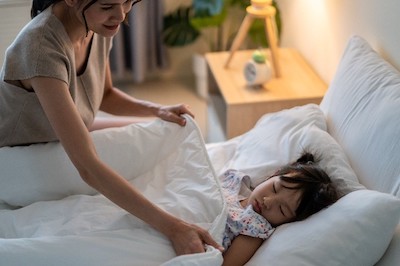
If your family’s daily routine is feeling a little harder, seems more stressed and frazzled, or maybe even falls short of goals you’ve set at home and beyond, the missing link could be something obvious you’ve never thought about: your children’s sleep, a powerful and often overlooked part of how smoothly a home functions.
Prioritizing sleep health as a family can make a meaningful difference towards a happier and healthier household. National Sleep Foundation’s (NSF) 2026 Sleep in America® Poll showed 86% of parents say good sleep improves their child’s mood and behavior, which helps build a better family environment.
Hidden Power of Sleep
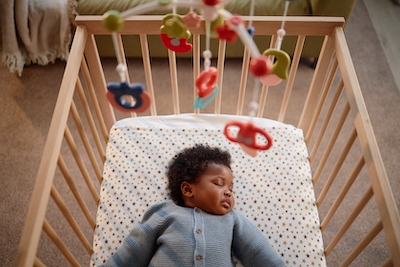
Healthy sleep is critical for everyone, especially children and teenagers, yet 44% of American children are not getting the recommended amount of sleep for their age. That’s a big number, with potentially big consequences. Sleep is the time when their brains consolidate memories for learning, their bodies release growth hormone for healing and development, and they even strengthen their immune system. Getting good sleep can also help them regulate their emotions.
Domino Effect of Poor Sleep

One family member’s sleep can affect the entire household. In fact, nearly all parents (95%) agree that good sleep is essential to overall family function. Where’s a good place to focus? Children: nearly seven in ten parents say poor sleep negatively affects their child’s mood and daytime functioning. School performance may decline, tensions between parents and children can rise, and minor sibling disagreements can escalate.
Four in five parents say their own sleep suffers when their child sleeps poorly, so one family member’s sleep can set off a domino effect. This can fuel a cycle of exhaustion that impacts family dynamics, physical and mental well-being, and even performance and safety inside and outside the home.
Build a Best Slept® Family

So, how can sleep be prioritized more in households?
Many parents (74%) think about their children’s sleep every day, and these parents spend an average of more than two hours per day mulling it over. But results from the same NSF study show nearly half of parents rarely or never talk with their children about the importance of sleep. How can parents close this gap?
It’s never too late for parents to take the opportunity to engage with and talk to their children about healthy sleep habits that help build a Best Slept® Family. When parents model consistent, healthy practices, children are far more likely to adopt them. That means making sleep a priority for everyone in the family. After setting norms and routines in the household that are designed for good sleep, families often can see improvements not only in energy and mood, but in their general well-being.
Small steps can make a big difference. These NSF-recommended tips can work for the whole family, like starting the day with bright light, planning physical activity, and having consistent mealtimes. Avoiding late-night eating and using regular wind-down routines for adults and children—ones that allow for consistent bedtimes and waking times to get the recommended amount of sleep—are important nighttime practices. Think about making the hour before bed a low-stimulation zone for everyone. From keeping bedrooms cool, dark, and quiet, to making sure alerting electronics and screens are put away 1-2 hours before bed, parents can set up a friendly place for sleep.
Remember, healthy sleep habits built today can be carried across generations, helping families to thrive in and outside of the home for years to come. Learn how to prioritize and support your children’s sleep with helpful resources for the whole family at theNSF.org.
###
There’s only one National Sleep Foundation (NSF). NSF is an independent nonprofit organization dedicated to improving health and well-being through sleep education and advocacy. Founded in 1990, the NSF is committed to advancing excellence in sleep health theory, research, and practice. In its 35 years, NSF has promoted sleep health through expert recommendations, consensus guidelines, tech standards, and easy-to-use tips and tools to improve sleep.